Top 6 Industrial Design Trends for 2026 for Capital Goods, Mechanical Engineering, and Industrial Applications
An overview of the most important developments for capital goods, mechanical engineering, and industrial applications
Top 6 Industrial Design Trends for 2026
An overview of the most important developments for capital goods, mechanical engineering, and industrial applications
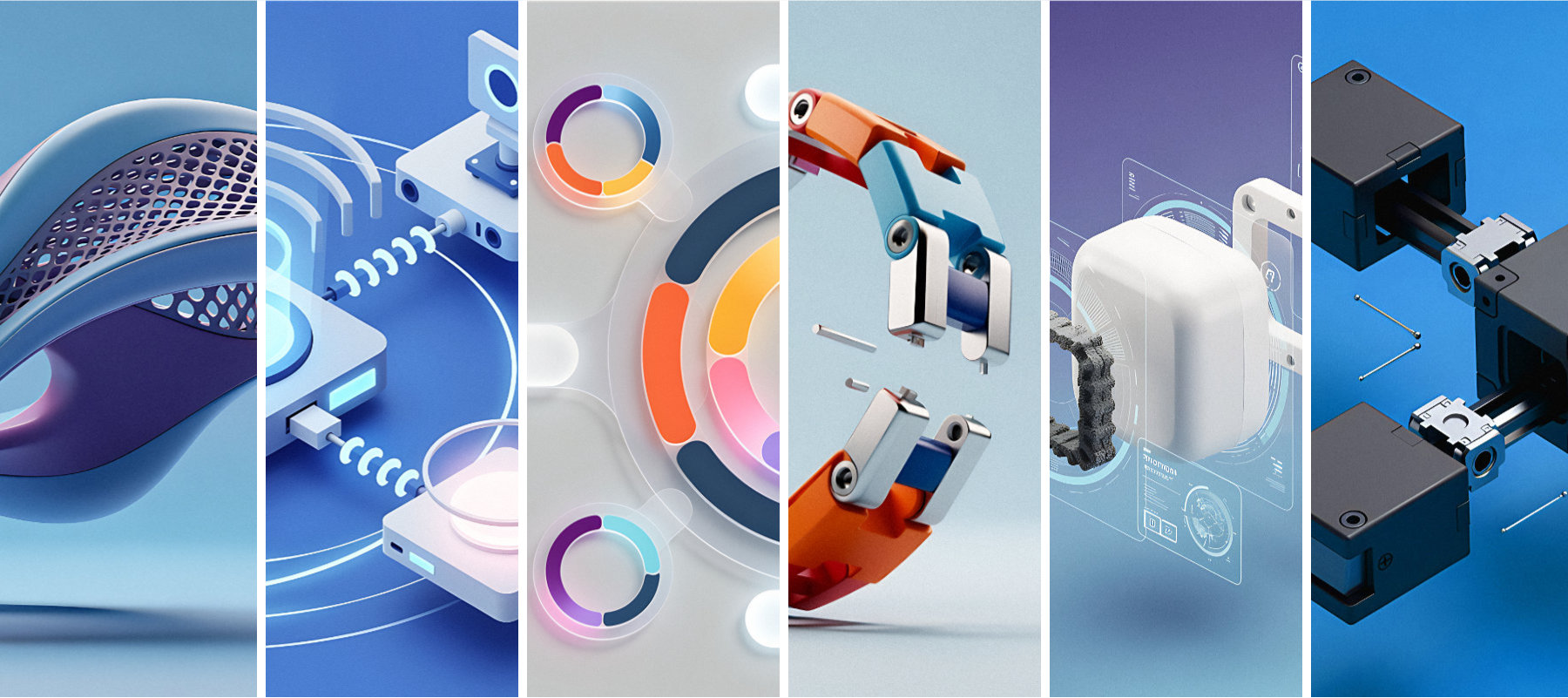
This article was first published in 2025 and comprehensively updated for 2026.
Eckstein Design from Munich is your partner for innovative industrial design with a focus on capital goods, tools, measuring devices, and industrial applications. Our expertise shows that 2026 will bring design trends that combine technology, user centricity, and sustainability. In this article, we provide a well-founded overview of six trends that will decisively influence product development and market success in B2B industries.
Key Takeaways
- AI-assisted design: Optimizes the development process and combines speed with data-driven quality. Optimiert den Entwicklungsprozess und verbindet Geschwindigkeit mit datenbasierter Qualität.
- Sustainability & circular design: Becoming the standard — durable, repair-friendly products and recyclable materials are the focus.
- Modularity & scalability: Increase flexibility in maintenance, customization, and standards-compliant adaptation.
- Connected, smart products: Hardware and software merge into intelligent, user-centered system solutions.
- Human-centered & inclusive design: Improves usability, reduces errors, and increases productivity in B2B environments.
- New technologies & digital tools: 3D printing, simulation, and VR/AR accelerate development and increase variant diversity.
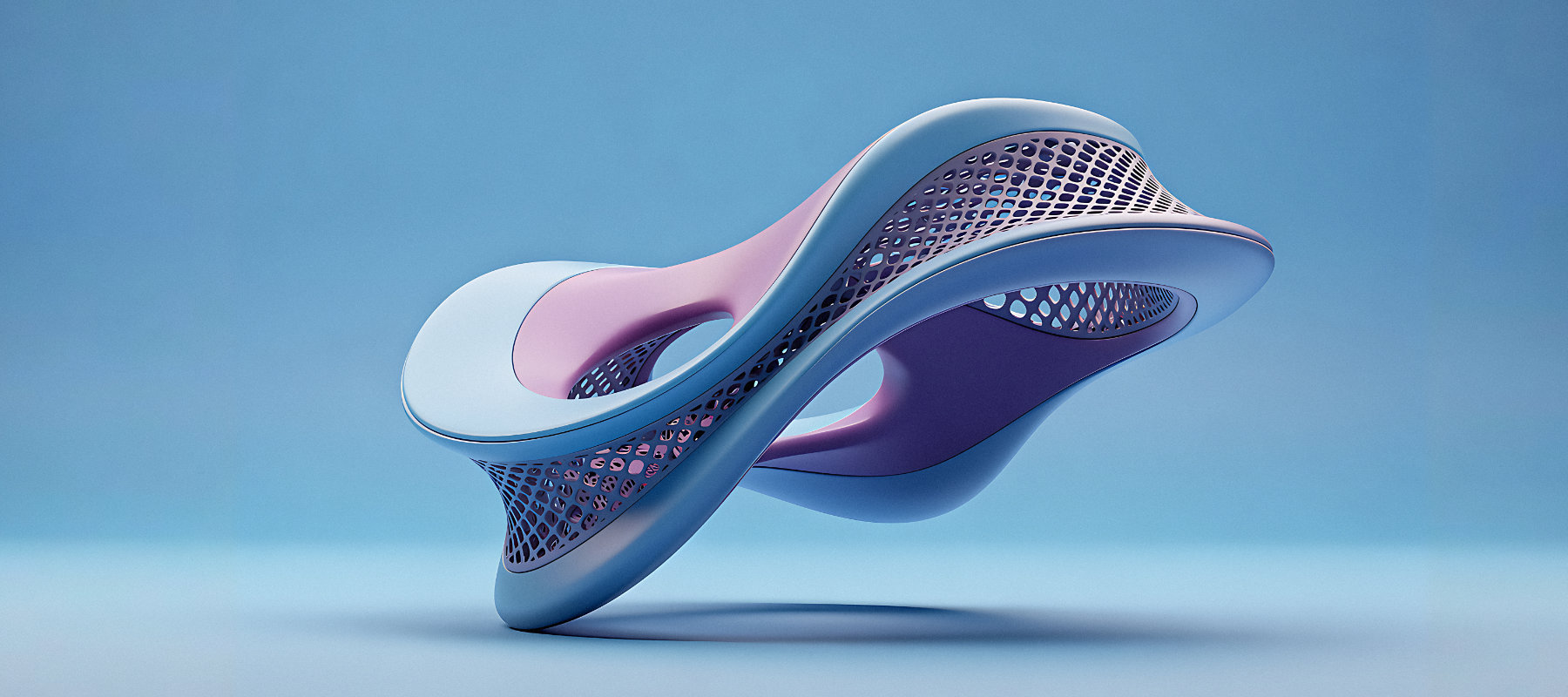
Trend 1: AI-Assisted Design & Generative Development
Artificial intelligence (AI) is fundamentally changing how products are designed in industrial contexts. In 2026, more and more companies are relying on generative design processes in which AI independently proposes engineering solutions, evaluates them from a design perspective, and highlights optimization potential. For developers, this means a huge efficiency gain: concepts can not only be developed faster, but also simulated directly using real-world use scenarios.
Especially in mechanical engineering and electronics development, usage data, load profiles, and operating patterns are fed into the design process. This creates a continuous feedback loop in which products steadily improve. At the same time, AI opens up new possibilities in interface design—for example through adaptive operating concepts in interface design that automatically adjust to user groups or usage contexts.
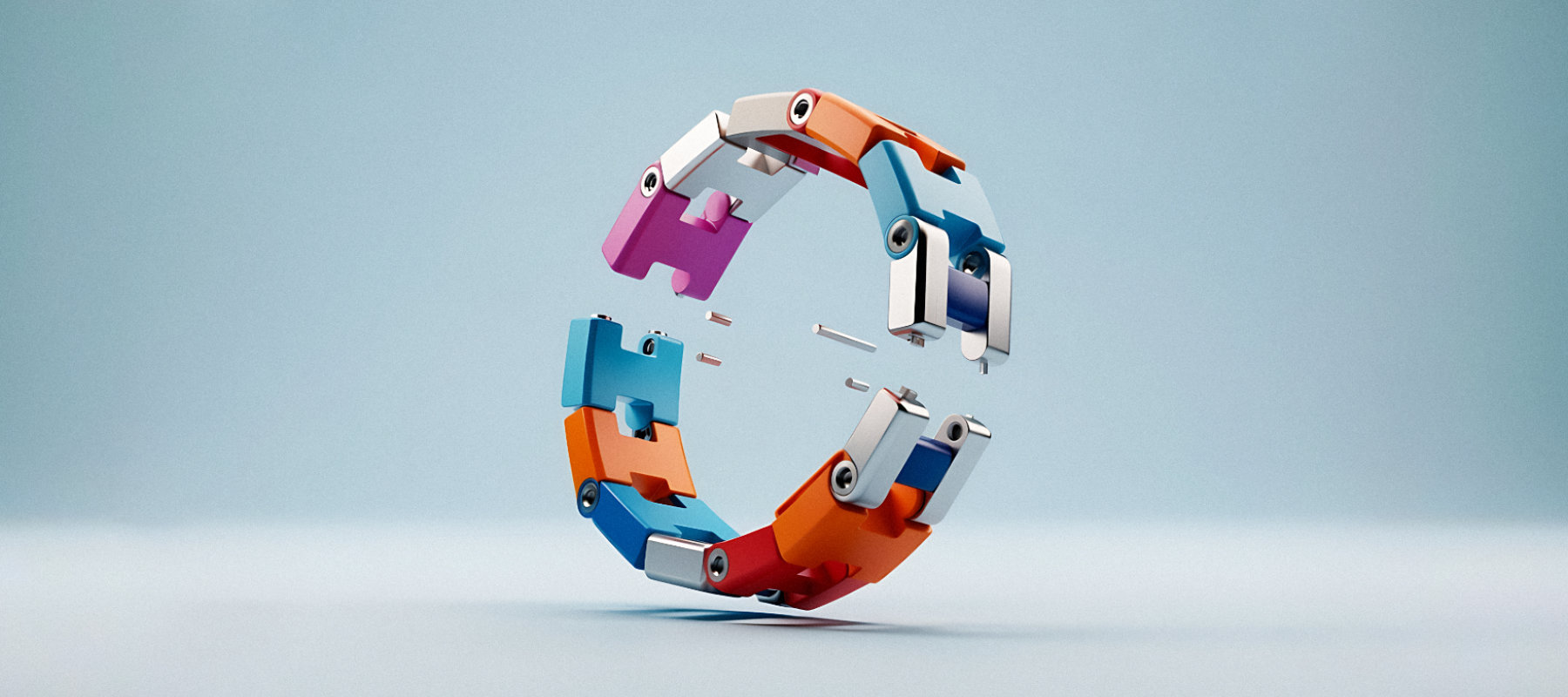
Trend 2: Sustainability & Circular Design
The ecological responsibility of industrial companies is increasingly coming into focus—also in design. In 2026, successful companies go beyond simple recyclability and think about products fully within the cycle. Circular design means that materials must be separable by type, components easy to disassemble, and products optimized for refurbishment, second-life use, or take-back schemes.
In practice, this means: modular screw-fastened housings instead of glued ones, durable and repairable constructions, and deliberately selected materials. Combined with CO₂-reduced manufacturing processes and digital product passports, sustainable, long-lasting construction in industrial design becomes a driver of sustainability—both ecologically and economically.
2026 starts with the right design strategy.
Get fresh impulses for sustainable market success!
Trend 3: Modularity & Adaptability
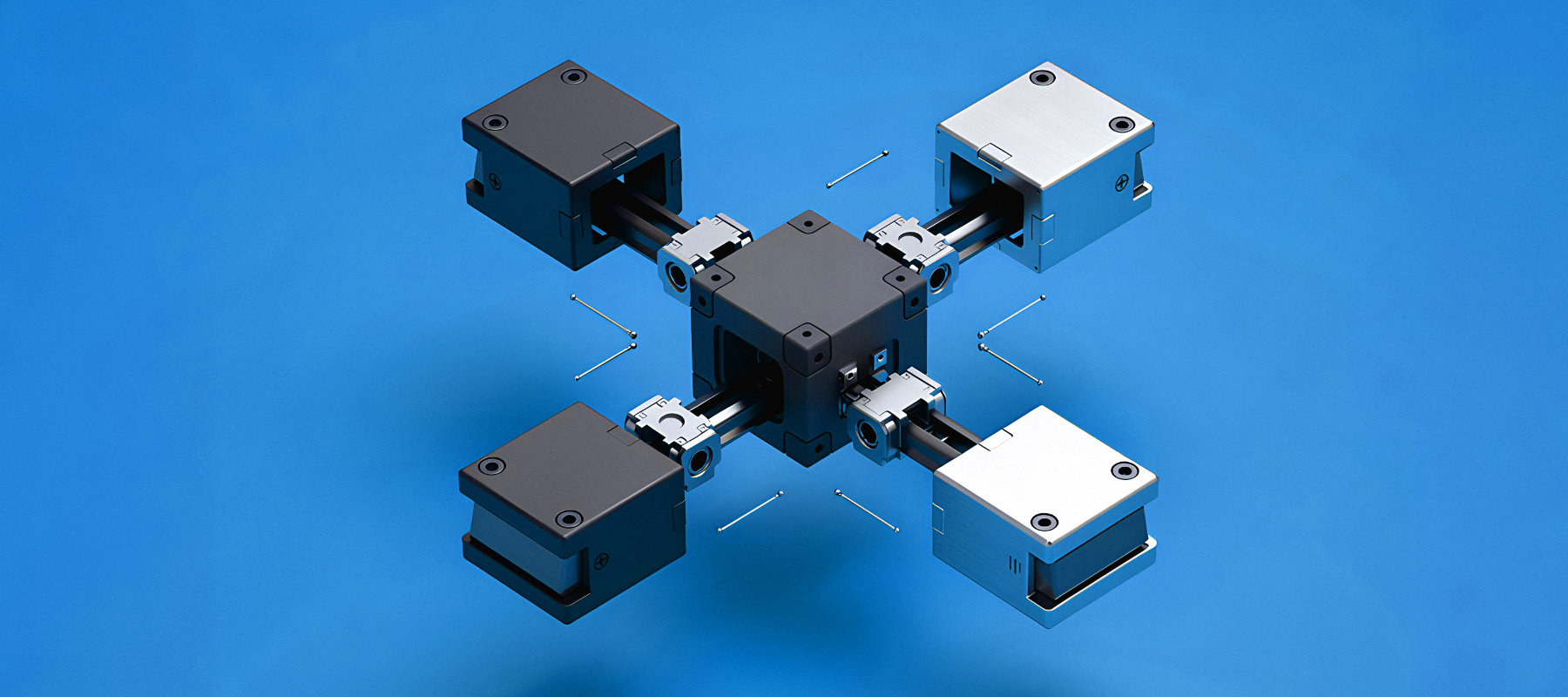
The trend toward modularization is not new—however, in 2026 it will become the standard for capital goods. Components such as drives, control systems, or operating modules are designed so they can be developed, produced, and maintained independently of one another. This increases reusability and lowers operating costs in the long run.
At the same time, modular product architectures enable entirely new business models: customers no longer buy complete systems, but scalable base units that can be expanded or updated over time. For design teams, this means: interfaces, assembly principles, and visual consistency must be considered strategically.

Trend 4: Smart & Connected Products
Products that capture, process, and communicate data have long been part of everyday life—by 2026, they will become a key differentiator. In industrial design, this creates a new interface between humans and machines: intuitive visualizations, reduced operating complexity, and smart status indicators improve understanding of technology and increase safety.
Especially for control panels, mobile apps, or wireless connectivity solutions, the rule is: the form factor of a product must integrate the digital layer visibly and logically. Designers therefore also take on information architecture tasks—such as in the connected industrial design for Winkhaus blueEvo.
Trend 5: Human-Centered & Inclusive Design
Good design makes complex technology accessible. For industrial products in 2026, this means: accessible interfaces, ergonomically well-thought-out operating zones, and intuitive workflows become a hallmark of quality—not only in safety-critical environments. User groups are increasingly diverse: age, language, prior experience, or physical abilities must be taken into account more strongly.
Inclusive design principles, visual feedback, tactile markings, and flexible interfaces help reduce error rates and increase productivity. The focus shifts from “works technically” to “works for everyone”—with a direct impact on profitability, safety, and brand image.
Trend 6: Faster Development Through New Technologies
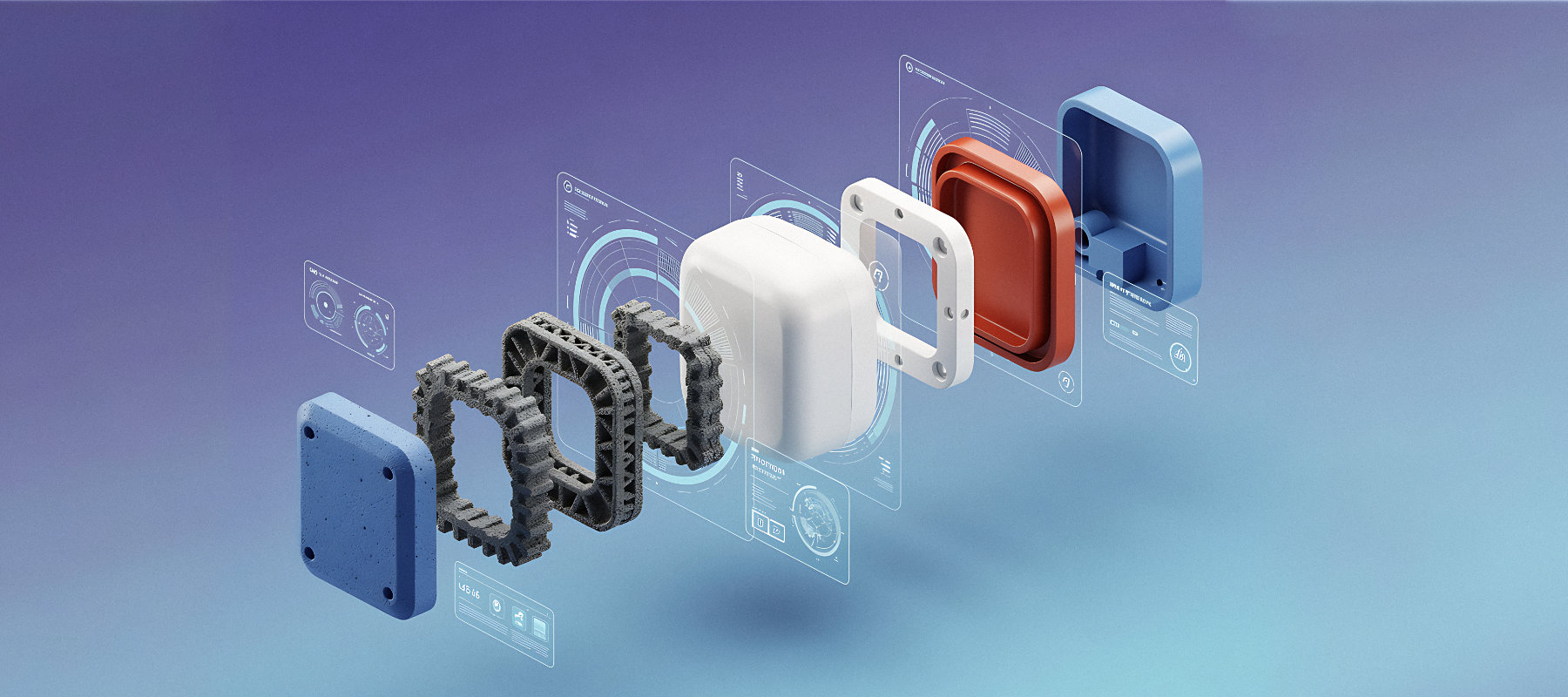
Technological tools such as additive manufacturing (3D printing), digital simulation, and virtual prototypes enable more iterative and cost-efficient development processes. Especially for complex B2B products, this allows earlier testing, adjustment, and optimization—long before the first physical part exists.
Virtual reality (VR) and augmented reality (AR) also support communication with customers, manufacturing partners, and internal decision-makers: design decisions can be experienced spatially and variants visualized in a comparable way. This strengthens alignment among all project stakeholders and reduces misguided development.
Our services for you
Our Perspective: Shaping the Future of B2B Design
At Eckstein Design, we combine technological expertise with strategic design thinking. Our projects in mechanical engineering, electrical engineering, and precision devices show that B2B design is a strategic lever—for innovation, efficiency, and differentiation.
We design products that delight in use, convince from a regulatory standpoint, and can be manufactured economically. Together with our customers, we develop solutions that unite technological innovation with sustainable, user-centered design—future-proof, industry-focused, and creating added value for all stakeholders.
Shape the future now: Would you like to develop innovative industrial products that are ready for 2026? Contact us for a free strategy call.
Case Studies


Simeon Sim.LED 8000